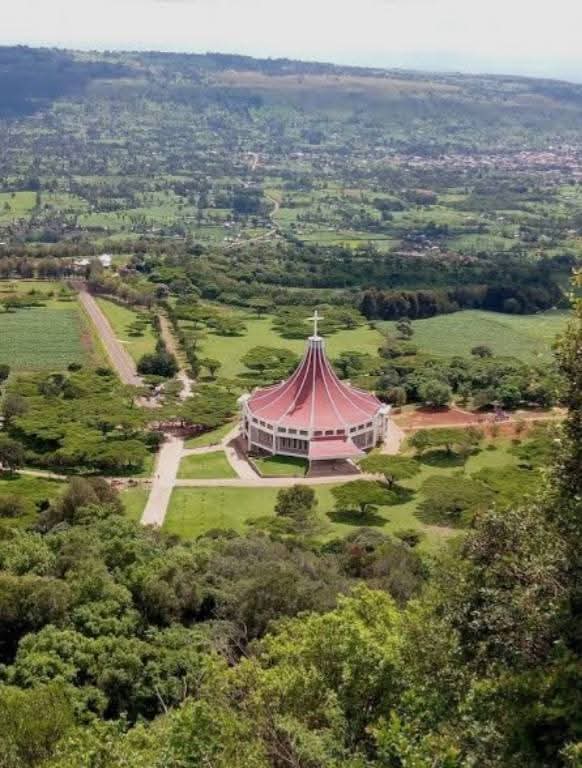
Subukia- the subcounty in Nakuru County that is famous due to the Subukia Shrine.
Many faithfuls have made their pilgrimage to the Shrine to cement their faith through prayers and fasting.
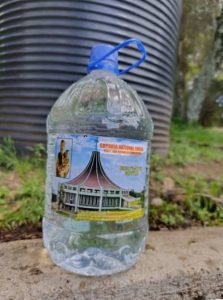
But did you know that inside the Shrine is the ‘Holy Water’?
According to one of the Catholic faithfuls and Journalist Benedict Ogola, it’s considered holy water, but it’s specific to a major pilgrimage site.
He reveals that the spring was discovered on December 7, 1991 during the development of the Shrine in Subukia, Kenya, and was later blessed by the Bishop. Its fame comes from its connection to countless personal stories from pilgrims.
It is not just normal water, for many pilgrims strongly believe it can cause miraculous physical healings.
There are widespread, first-person testimonies of people claiming to be cured of serious conditions like advanced ailments, after praying with and using the water.
These stories are the core of its popular reputation.
Though the Catholic Church has not yet officially confirmed these miracles and that the local Diocese of Nakuru has never opened a formal canonical investigation into the healings.
According to Ogola, The Bishops have adopted a cautious, “wait-and-see” approach, noting no evidence of fraud but emphasizing the shrine’s primary role is prayer and spiritual renewal, not miracles.
However, The Church fully supports water from Subukia shrine as a legitimate sacramental—a sacred object or action that disposes people to receive God’s grace through their own faith.
“The shrine is approved, and the water is blessed. The Church views its primary power as facilitating spiritual and emotional healing: mending family strife, bringing inner peace, and strengthening faith. The physical healings are seen as possible fruits of this grace, not guaranteed outcomes,” he stated.
At one particular time, the spring itself behaved strangely.
A significant event occurred in 2013 where
Pilgrims and caretakers report that the spring suddenly and completely dried up. This happened during a period of noted disputes and a lack of reverence among some visitors at the site.
After communal prayers for reconciliation, the water is said to have mysteriously begun flowing again.
Many see this as a profound sign of the site’s sanctity.
Many pilgrims report other phenomena, especially during large prayer gatherings. These include claims of seeing visions of the Virgin Mary or mysterious, unexplained lights around the shrine grounds.
Like the healings, these are considered personal spiritual experiences, not officially verified events.
But there are facts and beliefs on the same as highlighted below.
Fact (Church-Acknowledged): The water is a blessed sacramental from an approved shrine for devotional use.
There is a belief That the water has inherent power to cure specific illnesses like medicine.
Another Fact (Church-Aknowledged): The spring dried up in 2013 and later resumed.
Belief (Personal Testimony): That this event was a direct supernatural punishment and reward.
Fact (Church- Acknowledged): Pilgrims report spiritual renewal.
Belief (Personal Testimony): The cause of a specific vision or light.
Many people feel that Subukia water may more powerful due to its story, the pilgrimage sacrifice, and the weight of collective testimony.
Besides the Holy Water, the Subukia Shrine continues to face risks.
Ogola states that a very practical one is environmental threat with reports indicating the springs and the surrounding forest are under pressure from regional droughts and deforestation.
For pilgrims, protecting the natural source of the water is seen as protecting the shrine itself.